Our News

TTCA Citric Acid

TTCA Anhydrous Citric Acid Food Grade

A trip through the supermarket catches many of us glancing at ingredient lists. Those with a keen eye might spot “citric acid” again and again, especially where products promise freshness or flavor. Seeing “TTCA Anhydrous Citric Acid Food Grade” might look technical, but underneath, it’s an ingredient that reaches into almost every pantry. Derived usually from citrus fruit or, more industrially, through fermentation using specific microorganisms, citric acid helps balance pH, enhance flavor, and preserve food. This isn’t about lab coats or test tubes for me — it’s as simple as remembering my grandmother squeezing lemon over a salad to keep it crisp. The science behind citric acid has become standard in the food world, supporting shelf stability and safety.People have good reason to pause over unfamiliar names in foods. Over decades, we’ve seen public trust shaken by stories of additives gone wrong or regulations stretched thin. The good news is that food-grade citric acid, specifically the anhydrous type produced under the TTCA standard, has been shown through repeated studies to be safe for consumption in the quantities found in processed foods. Regulatory bodies worldwide, including the World Health Organization and the U.S. Food and Drug Administration, list it as generally recognized as safe. At the same time, nobody benefits from blind faith. Transparency in sourcing and handling matters. Food businesses owe us clear labeling and a willingness to answer honest questions about how ingredients travel from source to shelf.Citric acid’s popularity is no accident. Restaurants, packaged food makers, bakers, and even home cooks gravitate toward it for flavor control and reliable preservation. Beverage makers rely on it for that tart kick found in sodas, energy drinks, and juices. It acts as an antioxidant, fighting off unwanted color and flavor changes in canned vegetables, fruit spreads, and jams. The surge in ready-to-eat foods around the globe only heightens this demand. Asia, Europe, and North America report year-over-year growth in citric acid output. The market follows consumer preference for food that looks, tastes, and stays “fresh,” raising the stakes for high-purity and consistent supplies from producers like those making TTCA Anhydrous Citric Acid. While that demand grows, producers face pressure to meet international purity standards and keep byproducts and contaminants out of the food chain.Large-scale production of food additives comes at an environmental price, from energy-intensive processes to waste and emissions. To its credit, citric acid manufacturing has an edge over many alternatives because it leans on fermentation, using renewable raw material such as molasses or corn. Still, there’s always room for improvements in waste reduction and energy use. Some producers take sustainability seriously, investing in more efficient fermentation or finding secondary markets for biomass left behind. The food industry has to keep listening to consumer calls for greener processes and shorter supply chains. Supporting companies that disclose their sustainability practices isn’t just the work of policymakers — individual shoppers can nudge the needle by seeking information and choosing transparent brands.Pure ingredients matter, not only in the lab but on the table. Some folks find their bodies react to acids, even ones as common as citric acid, often because of underlying health issues like ulcers or sensitive digestion. Those who need to watch their intake deserve respect and accurate information. Food safety regulations should reflect the latest research, factoring in emerging data on consumption patterns and sensitive groups. Manufacturers bear responsibility for keeping batches pure, free of contamination from heavy metals or unexpected byproducts. Third-party audits and government inspections aren’t just boxes to check — they protect everyone, from producers to the youngest or most vulnerable consumers.Here’s where common sense and good citizenship intersect. Brands and manufacturers producing TTCA Anhydrous Citric Acid Food Grade carry the weight of consumer trust. Retailers who stock these ingredients rely on dependable supply lines and clear certification. Policymakers must keep pushing for updated food laws that match how today’s food world looks and works. Everyday shoppers benefit from straightforward, accurate labels and accessible product information, ideally available online as well as on packages. Investing in science-based policies, encouraging open dialogue, and rewarding companies for sustainable choices push the industry in the right direction. Too often, conversations about food safety stall out at technical language or regulatory checklists. What I want most from my food is confidence — confidence born from transparency, science, and a shared commitment to safety from farm to factory to kitchen. TTCA Anhydrous Citric Acid Food Grade stands as a perfect example of where careful oversight, thoughtful production, and honest communication can meet. By keeping pressure on producers, rewarding clarity, and inviting more scrutiny of environmental impacts, we can keep common food additives safe, sustainable, and worthy of a spot at our table. For me, that matters more than any certification stamp or industry jargon.

March 09, 2026

TTCA Citric Acid

Where to buy genuine TTCA citric acid?

Anyone who’s spent time working in food production, pharmaceuticals, or even hobby brewing knows a thing or two about the importance of sourcing. In my experience, nothing derails a project faster than an unexpected quality issue. TTCA citric acid has built a reputation for reliable quality, but the growing number of distributors online introduces some genuine confusion: who can you trust when you need the real thing?It seems every month there’s another news story about counterfeit or contaminated chemicals making their way into genuine supply chains. Skimping on quality isn’t just about saving a buck; it risks consumer safety, regulatory fines, and sometimes even a business’s future. TTCA—one of the biggest citric acid manufacturers—has seen its share of imitators. Anyone searching online faces page after page of offers, some promising impossible prices, others showing logos that look real but don’t match up with actual company branding. I’ve seen colleagues try the “budget” route and pay later in headaches, recalls, and product downgrades.Cost matters, but so does peace of mind. TTCA maintains a global presence because the company cares about traceability. Generic suppliers rarely offer sourcing paperwork, lot verification, or up-to-date safety data sheets. Food producers run risks from batches tainted with heavy metals, banned preservatives, or inappropriate anti-caking agents. In China, the citric acid space has grown so fast some factories may even supply blends that dilute genuine product with fillers. These shortcuts defeat the purpose of using a name like TTCA. With global good manufacturing practice standards tightening every year, betting on the lowest price today could easily cost thousands in ruined inventory or lost contracts.A decent distributor doesn’t just list an alias and a WhatsApp number. They display business registration, warehouse accreditations, and certifications from recognizable authorities. If someone claims TTCA product, ask for a certificate of analysis from the actual manufacturer and check for batch numbers that match up with TTCA records. In my work, I always check whether a seller is approved by the manufacturer. TTCA publishes a list of verified importers. It pays to cross-check against this and read recent reviews. Real distributors usually don’t offer prices way below the industry standard. They offer technical guidance, answer questions promptly, and provide documentation without excuses. If their communication feels off or they skip paperwork, walk away.Over the years, genuine TTCA citric acid has reached most corners of the globe through a well-maintained chain: direct sales, a handful of big food ingredient importers, and local specialty chemical suppliers with real storefronts and websites. Companies like Brenntag, Univar, and major national chemical distributors tend to carry the legitimate product—and they disclose the original supplier on their invoices. TTCA’s own site provides pointers to authorized sellers in each country. In major markets, bulk buyers sometimes go straight to TTCA for pallet or container quantities, but those with smaller needs can stick with regionally respected sources. E-commerce giants sometimes list TTCA by name through certified partners, though buyers should still double-check documentation before committing to a large order. Simply, real business addresses and documented import history trump everything else.I once saw a small bakery in my neighborhood fall victim to a scam. The owner scored what seemed like a deal on “TTCA citric acid” from a flashy new website, but what showed up leaked in transit, carried no barcode, and failed the most basic food safety checks. Scams keep popping up, usually with fake logos, little background info, or wild claims about purity. Ways to avoid this mess: keep communication in writing, demand batch documentation, check for third-party lab testing, and never pay by risky means like untraceable wires. Shortcuts often end with bitter lessons. Buying locally from trusted chemical suppliers might cost extra upfront but builds relationships and keeps the risk low. In my field, that trust beats any easy discount.Every responsible business has a role to play in keeping the market clean. Brands like TTCA invest in quality systems for a reason—they want users to succeed, not just make a sale. Regulatory watchdogs can only do so much. Users who insist on paperwork, who take time to learn which companies stand behind their products, help push out fakes. In my own work, building a network of trusted fellow buyers and industry insiders led to fewer sourcing disasters. Honest feedback—shared through forums, trade associations, or word of mouth—keeps everyone safer. Education means fewer victims, stronger supply chains, and more secure product lines.

March 12, 2026

TTCA Citric Acid

TTCA Citric Acid Packaging, MOQ & Delivery Terms

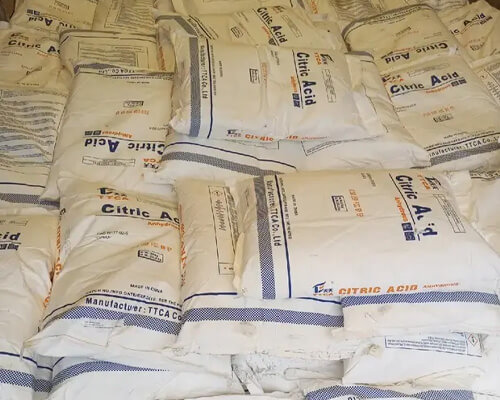
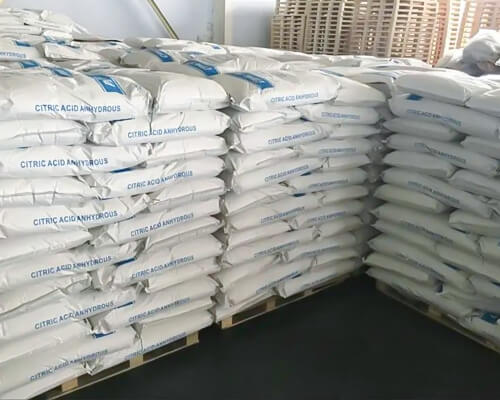
Citric acid often comes in big white bags or sometimes in sturdy drums, tucked away in container loads heading across the globe. Now and then, you’ll spot a shiny new TTCA logo on the side, which tells you this batch rolled out of one of the world’s busiest citric acid factories in China. Packaging choices can feel simple from the outside, but inside the industry counts every dollar spent on a liner or every tear in a bag. TTCA usually packs citric acid in 25-kilogram bags, sometimes stacked on wood pallets, each batch shrink-wrapped for protection. Some industrial buyers ask for one-ton “big bags” when moving product in bulk. Here’s where real-world challenges show up. Poor packaging or cheap material can turn a full container of valuable product into a sticky mess at the port if the bag splits during container loading or rough transit. In smaller facilities, workers deal with the agony of powder spilling out. I’ve spoken to procurement managers who say they worry as much about bag quality as they do about the price per metric ton. If a batch suffers water damage on arrival, there’s not much recourse except insurance claims and lengthy arguments with freight forwarders. So, while packaging may seem like a technical detail, it shapes shipment losses, workplace safety, and product purity. In my own time in logistics, a single wet bag could halt an entire shipment during customs inspections. Down the line, reliable packaging wins trust, and bag problems create fuss that suppliers hate almost as much as their clients do.Minimum order quantity (MOQ) stands as a number that decides who buys and who goes home empty-handed. For TTCA citric acid, this number rarely dips below a full pallet, and often buyers don’t get the time of day unless they can fill a shipping container. Standard MOQ usually lands at 20 tons, matching one container’s worth, or else prices rise enough to chase away smaller buyers. Small and medium enterprises—think a local food start-up, or a cosmetics workshop—get squeezed out unless they join forces or deal with a middleman who breaks up container loads for resale. A big company enjoys bargaining power, but I’ve witnessed new businesses pleading for a chance to trial smaller batches. Volume requirements keep prices low for the big fish and create endless headaches for the small ones trying to buy just enough to run a few pilot batches. TTCA doesn’t soften MOQ terms easily, so newcomers start off at a disadvantage. Warehousing costs pile up, product sits unsold, and business growth bumps against a pretty thick wall of global supply chain realities. This MOQ barrier isn’t just a headache for buyers. Suppliers complain too, because fielding endless inquiries from small buyers means more admin work without new orders to show for it. Sometimes, a bigger local distributor, already sitting on extra TTCA citric acid, steps up to help smaller firms. But that always adds friction between price and access, redistributing cost down the line.Delivery terms often separate deals that work from deals that unravel over port logistics or insurance paperwork. Most global buyers expect well-defined Incoterms, like FOB (Free on Board) Qingdao or CIF (Cost, Insurance and Freight) to their own country’s major port. On paper, these terms look neat. In practice, one small wording error can mean the difference between a smooth hope and an unexpected mess. Sometimes, buyers think product arrives at their warehouse—until they spot a fine print clause ending delivery at the port gates. This confusion can cost tens of thousands in extra charges if the customs clearance or local trucking goes wrong. In my conversations with supply chain directors, these moments cause more stress than any price negotiation ever could. Freight rates ride the world’s mood swings—shipping costs soared, then crashed, then bounced again for just about everyone moving goods since 2020. TTCA is not immune. Lead times stretch out if vessels get overbooked or Chinese ports lock down even briefly. COVID disruptions caused a nervous jitter that never fully disappeared. Buyers fail to consider port congestion in their schedules, and ships sometimes sit outside Shanghai for days. With every hold-up, delivery schedules slip, factories down the chain miss deadlines, and end customers complain louder. The best solution I’ve seen involves regular, honest communication—suppliers should keep buyers updated with tracking information and flag changes early. Many would rather get warned about a delay, rather than face a last-minute scramble for new inventory. Strong supply partnerships grow on transparency, and those who hide the truth behind vague delivery promises rarely stay in business long.There is no magic bullet that gives everyone packaging perfection, low MOQ, and instant delivery. Steps forward come slow and require both sides to give ground. Packaging tech keeps getting better—every season brings new bag materials and extra liners that offer real protection. A few producers even work with buyers on custom packaging specifications, trading promises of yearly volume for solutions that cut spoilage rates and losses in the warehouse. In my own experience, I saw single-use liners slowly replaced by multi-layer bags with humidity sensors embedded. The cost felt painful at first, but warehouse losses dropped by half. On the MOQ front, industry-wide collaborations help. More buying cooperatives spring up, allowing small buyers to join together and place larger orders, splitting the shipment on arrival. Middlemen make their cut, sure, but for fresh businesses breaking into manufacturing, this bridge lowers an otherwise impossible hurdle. Some forward-thinking suppliers offer more flexible MOQ for newcomers who show real growth potential, building loyalty from the ground up. As for delivery terms, nothing helps more than buyers reading the fine print and working with brokers who explain every clause before money changes hands. Getting logistics teams involved before signing a contract also saves time. They can flag potential issues—extra tariffs, odd port fees, or batch certification needs—before these blow up into six-week shipment delays or warehouse bottlenecks later on. Long-term relationships build on trust, not just the lowest price per ton. Buyers who know their source and stay close to their manufacturer rarely run into ugly surprises. In the end, learning from every mistake and sharing those lessons improves the road for everyone moving TTCA citric acid around the world.

March 12, 2026

TTCA Citric Acid

High Quality TTCA Citric Acid for Sale

Citric acid shows up just about everywhere—from powdered drinks in your cabinet to cleaning solutions under your kitchen sink. Discussions about TTCA-grade citric acid often circle around words like “quality” and “purity,” but those terms matter for more than just marketing. Through years of checking ingredient labels, testing recipes that called for it, and supporting local food businesses, I’ve learned that not all citric acid holds up in real-world use. When manufacturers offer high quality TTCA citric acid for sale, the conversation deserves a closer look. Purity helps set the standard, but consistent, reliable results in everything from canning fruits to pharmaceuticals rely just as strongly on it. Products like jams, jellies, and canned tomatoes retain color and flavor better with a citric acid source that doesn’t throw off bitter flavors, strange odors, or unpredictable clumping.In the food industry, companies demand citric acid that stands up to scrutiny at every stage, from delivery at the warehouse door to final use in production lines. If an off-batch slips through, it doesn’t just ruin taste. It risks eroding customer trust and complicating export paperwork. This point hits home for me. A small bakery I once consulted had issues with their lemon cake—everyone noticed a chemical bite that shouldn’t have been there. The culprit? Cheap, inconsistent citric acid. Switching to a premium TTCA source fixed their recipe failures. They never wanted to gamble with supply again. Pharmaceuticals raise the stakes even higher. Any contamination in supplements or medications can trigger strict recalls and even endanger people with health concerns. regulatory standards exist for a reason, and big clients refuse to budge on them.Plant managers who stare down weekly supply chain challenges know that a high quality input makes everything downstream run smoother. High grade citric acid resists caking in silos, stays uniform during mixing, and causes fewer headaches at the filling stations. Downtime costs more than a slightly higher purchase price per kilo. Anyone in processing can tell stories of failed runs and wasted batches that came from subpar materials. Years ago, a family friend running a juice bottling operation hunted for ways to minimize batch rejects. By investing in consistent, TTCA-certified suppliers, every load worked predictably—no wasted syrup, no angry calls from grocery chains. This straightforward decision saved real money and allowed for accurate planning. It’s a return that adds up over the months and years more than any one-time bulk discount ever could.Sourcing has become an open conversation for buyers who care about true sustainability and consumer trust. Long gone are the days of blindly accepting shipments. TTCA stands out by regularly publishing data on water use, plant energy consumption, and waste management. As a longtime member of a local food co-op, I appreciate seeing exactly where my dollars land. Clear communication from upstream makes a difference in the brands I support. When food processors receive clear documentation and technical support from their raw ingredient providers, they can assure customers—not just about what’s in the jar, but how it got there. This transparency cuts down on recalls and questions later. It builds confidence on both sides of the transaction. Even at my kitchen table, these details matter: I feel safer sharing meals with family, knowing what I’m working with.Modern supply chains face pressures that stress every link—unexpected freight costs, trade restrictions, or changes in demand all demand fast adaptation. If a company cuts corners on sourcing their citric acid, downstream quality and safety slip away quietly. I’ve watched local food producers struggle to bounce back after one contaminated shipment. Adopting higher sourcing standards shouldn’t be left to big corporations alone. Industry groups, government agencies, and advocacy organizations can push for more accessible certification processes. Likewise, ordinary consumers—like myself—shape industry behavior by supporting products that value sourcing transparency over rock-bottom prices. Education makes a difference at every level. Whether you’re a small jam maker or a multinational beverage company, being open about the origin, quality, and safety of your ingredients strengthens the entire system. Authenticity grows from years of honest work, not overnight promises.

March 12, 2026

TTCA Citric Acid

TTCA factory & production capacity

Everyone who’s worked near a factory zone knows the rhythm: noise when shifts change, trucks lining up to load, steam and strange smells sometimes drifting past. The TTCA factory is no different on the outside, but step inside and things start to look a lot more complicated. It isn’t just about keeping the lights on or running old machines. At TTCA, production hums on a scale that pulls in workers, engineers, logistics teams, and entire local economies. In towns that count on factories like TTCA, every new line opened brings jobs and more bustle to shops and small restaurants outside the factory gates. You see this on paydays, too—kids stop by convenience stores, people fill market stalls, and local money gets a new pulse. It’s easy to ignore the connection between big production and daily life, but as soon as capacity shifts up or down, ripples run through everything.Factories talk about capacity all the time, but the idea gets tricky. When orders stack up and production lines run at full tilt, supervisors breathe a little easier knowing the factory keeps everyone working. That’s easier to say than to do. Equipment breaks down, global supply chain headaches slow raw materials, and sometimes international tariffs or new regulations add headaches for the finance and compliance teams. A missed shipment of even the smallest raw material can stop a huge operation overnight. Real production capacity means far more than the size of the factory building. It tracks how well leadership balances equipment upkeep, training, regulatory changes, and basic human needs like safe working conditions. Any plant can build out extra square footage, but training enough skilled operators? That’s always slower. From what I’ve seen, it takes months or even years to develop a team that knows how to handle growing demand without cutting corners or burning out.Whenever I visit factories that have ramped up production fast, one thing jumps out: it’s easy to chase the number of units shipped, but keeping that growth sustainable taxes everything else. A manufacturer might dial up output for a few quarters, but then worn-out machines start breaking, workers ask for better schedules, and quality checks begin to notice more defects. It’s the old story—pushing to the limit uncovers weak points everywhere. The most respected factories—TTCA among them—take a hard look at training programs, equipment upgrades, and steady, honest communication before chasing record output months. It’s become clear after years in industrial sectors that a strong safety program, long-term contracts with reliable suppliers, and transparent systems to catch small problems early do more for production than any short-term surge.Production in a factory like TTCA’s never happens in a vacuum. On the ground, truck drivers, local suppliers, and parts makers are plugged into the same rhythms. When TTCA’s lines run full, truckers do three, maybe four runs a day instead of one. Entire supply networks spring up to keep parts moving. Globally, these spikes and dips send signals to traders, retailers, and even politicians trying to predict jobs and prices. What happens in one cluster of factories this year shapes which cities grow and which lose people to better prospects. My own neighbors have followed factory work from province to coast, always looking for a place where output outweighs layoffs. This real-world mobility often gets lost in the numbers, but it drives real families’ choices every year.Factories like TTCA stand at a crossroads every time a boom comes along. It’s tempting to buy the latest machines or roll out new production wings, but smarter expansion listens to the lessons that come from the shop floor. Veteran employees will tell you—no amount of imported machinery replaces shifts lost to avoidable injuries, and no spreadsheet can measure the blow to morale from overwork. The best solutions I’ve witnessed come from places that invest in next-generation control systems to spot slowdowns early, automate the most dangerous tasks, and partner with technical institutes to keep worker skills fresh. Instead of hunting for more space or secondary sites, investing in energy efficiency, digital tracking of materials, robust maintenance schedules, and team-based innovation produces steady growth that keeps local economies healthier in the long run.During every factory tour, I ask workers what they wish the managers knew at corporate headquarters. Answers almost always circle back to the basics: more hands to lighten fast-moving shifts, enough parts and tools so no one cuts corners, managers who walk the floor once in a while instead of relying on filtered reports. TTCA’s strength comes not only from its acres of production lines or the volume it ships, but from its willingness to listen and react. Long-term stability never comes down only to scale or money poured into new equipment; it rests on whether factory leadership values worker experience, keeps promises on training, and invests in the unseen improvements—those that make a tough job more predictable and a local paycheck more solid.Facing continuous change, I see TTCA’s challenge as striking the right balance between scaling up and respecting the people and systems that hold everything together. Instead of a headlong run into new production targets, focusing on smaller, smarter tweaks often gets better results: automating repetitive or hazardous roles, strengthening supplier partnerships, and building out technical apprenticeships that offer solid futures to workers’ kids. Boosting the real capacity at a place like TTCA begins with clear-eyed respect for the people who lift it up each day, warts and all. That, more than any headline announcement or shiny expansion, is what truly shapes the future of any factory-driven community.

March 24, 2026

TTCA Citric Acid

TTCA anhydrous citric acid: complete guide

Most shoppers recognize citric acid from the grocery shelf—sometimes tucked inside ingredient lists on packaged foods or fizzy sodas. It’s easy to overlook how much rides on the quality and reliability of citric acid. My experience working with both food and cleaning products tells me that one detail sets some brands apart: not all citric acid works the same. TTCA’s anhydrous citric acid often comes up in manufacturing circles, especially for companies that care about sourcing from producers who pass all the top food safety checks. For households, this means peace of mind every time they grab lemony drinks, tangy candies, or natural cleaning formulas.Think about science class experiments with lemons and baking soda. Swap the sliced lemons for anhydrous citric acid, and you get a much more precise, predictable sourness without the mess. The word “anhydrous” means no water in the crystals—this version brings longer shelf life and easier use in places where water can spoil the mix. TTCA’s process follows strict methods to keep material pure. That matters—a single chemical misstep can throw off flavor, stall a cleaning process, or cause bad reactions in some blends. Manufacturers trust certain producers because they go through extra screening for heavy metals, microbial enemies, and other unwanted hitchhikers. Evidence says high purity makes a difference, not just on paper, but in how food tastes, how drinks stay clear, or how cleaning powders work on scale.Real trust in any chemical starts long before it lands on the factory floor or inside a cleaning supply bucket. Reputation travels fast—any slip in safety becomes tomorrow’s headline or recall warning. I’ve seen the ripple effect in small factories and big brands alike. When sourcing from TTCA comes up in manager meetings, the conversation usually centers on documentation, traceability, and proof of meeting EU, American, and Asian safety codes. Companies who step up their supply chain vigilance often avoid batch-level disasters that can shut down lines or scare off loyal customers. Consumers rarely see the mountain of paperwork or audits, but every clean test result and audit passed means another layer of safety for kitchens, nurseries, hospitals, and restaurant tables.Most people don’t link citric acid to farming or forest use, but these connections shape the way companies operate. Citric acid comes from a fermentation process that usually breaks down plants like corn or sugar beets—crops grown all over the globe. Big producers like TTCA have started to pay more attention to responsible sourcing. The market increasingly pushes for non-GMO options. Factories now look for proof that their raw materials don’t come from exploited land or polluted water supplies. Environmental groups want answers too, and as someone who’s seen both strict and sloppy factories, I’d argue that tracking the footprint of every shipment isn’t just good PR—it’s smart long-term business. The best suppliers already build waste treatment, energy savings, and water recycling into their routines. Smart buyers demand sustainability, not just a cheap chemical price.Food makers live and die by product reviews and quality ratings. Fluctuation in acidity or purity throws off recipes that took months or years to perfect. Imagine a candymaker trying to balance tartness or a chef aiming for that familiar tang in dressings—minor swings in citric acid can wreck results. I’ve watched more than one recipe get scrapped over bad ingredient mixes. With TTCA’s consistent grades, industrial kitchens and brand labs often avoid these headaches. Transparency also keeps the doors open with regulators, and lets brands slap clean labels on products—a selling point in today’s “show me everything” retail world. Honest labeling matters just as much as good chemistry.Pharmacies and hospitals rely on the exact same acid found on the grocery shelf. Here, the need for absolute purity multiplies. My own family keeps citric acid-based cleaning tablets for everything—from glassware to children’s toys. The product inside looks simple, but it takes careful testing to meet the mark for child safety or medical sterilization. Healthcare settings face inspection after inspection to keep germs and toxins at bay. One subpar chemical batch gives infections a free pass or slows down sterilization. Producers like TTCA put their batch numbers and lab records on the line every day, knowing that healthcare workers, children’s hospitals, and cleaning crews count on those stripes.The market for citric acid keeps shifting as laws and preferences change. Ban on certain preservatives, call for non-GMO labels, and new international export rules test the entire supply chain. I’ve watched companies scramble when global shortages or container delays squeeze raw material flow. This pressure for faster, traceable shipments gives suppliers with strong logistics and documentation a clear edge. Technology now helps track every gram from fermentation tank to final package. I see a market where supply chain transparency will grow, and any supplier not ready risks falling behind. Consumers want to know their food is safe, ethical, and made without cost to the environment.Problems do not disappear on their own. When buyers pay more attention to records and demand clean documentation, they push the whole supply chain to improve. Purchasing leaders can ask hard questions about plant sourcing, energy use, and waste handling. No one wins by hiding process flaws or ignoring audits. Big brands gain an advantage by partnering with suppliers open to inspection and frequent checks—not just the cheapest quote. Small companies have a voice—real progress starts with steady questions at every order. Long-term partnerships outperform spot deals, especially when customer safety depends on it.

March 24, 2026