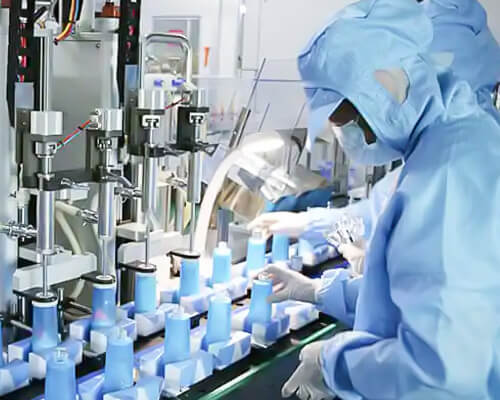
TTCA citric acid production process
The average kitchen holds a bottle of lemon juice or a packet of citric acid, and most folks barely think about where it comes from. In my own home, citric acid slips into recipes and even cleaning solutions, and on a grocery run, it’s a back label regular. But my curiosity led me to learn more about how big producers like TTCA achieve this on such a large scale. Citric acid isn’t harvested from orchards—it’s the product of careful industrial biotechnology. This process, driven by fermentation, has real-world consequences for food safety, the environment, and the economy, making its story relevant well beyond chemistry classrooms.At the heart of the process, TTCA harnesses a strain of Aspergillus niger, a fungus with a knack for turning simple sugars into citric acid. The company starts with carbohydrate sources—think corn, sugar beet, or molasses. In industry, corn syrup sits as a favored raw material for its abundance and price stability. I’ve walked through grain elevators that feed similar supply chains, and the volume is staggering. Once the feedstock hits the fermenters, a science-directed ballet begins. The sugar-rich substrate gets sterilized, adjusted for pH, and plumbed with the right nutrients. Temperature and oxygen levels stay under strict control, as even minor deviations can slash yields or let rogue microbes ruin the batch.Fermentation lasts several days. In that window, the fungal culture eats its fill of sugar and pumps out citric acid as a metabolic byproduct. This stage reflects a marriage of biology and engineering—a kind of controlled chaos where the tiniest variable, such as trace metals in the water, can swing production. Chemists don’t leave the fungus to work blindly; they measure concentrations, tweak airflow, and constantly sample the broth for purity. I’ve seen similar operations in my own research, and the amount of data tracked second by second dwarfs most hospital monitoring systems.After fermentation, the process pivots to recovery. The broth sloshes into separation tanks. Filtration strips away fungal biomass, and the remaining liquid heads into a series of refining steps. Calcium hydroxide drops in to form a citric acid salt, which then gets acidified with sulfuric acid to precipitate pure citric acid out. Each phase, from crystallization to washing and drying, chases contaminants out of the final product. I’ve long believed quality control is more than a regulatory box to tick; in this context, recalls can mean more than lost profit—they knock consumer trust, which isn’t so quickly regained.Strong demand for citric acid stems from more than just its tart punch in candy. Food preservation, cleaning products, pharmaceuticals, and even metal finishing all lean on its mild acidulant properties. TTCA’s operation has a real impact on global supply and price stability. China’s dominance in citric acid exports stems from scale, efficiency, and a robust supply of raw materials. I’ve heard food technologists stress how important reliability is, especially after supply snags during crises like the COVID-19 pandemic. Every interruption sends ripples down the global food chain, driving up costs for both consumers and businesses.Environmental and safety questions tend to follow chemical manufacturing. TTCA’s reliance on bio-based fermentation gives it a head start over more polluting chemical syntheses. Still, wastewater, energy use, and emissions remain key headaches. Each ton of citric acid comes paired with a stream of liquid waste loaded with unused nutrients and fungal residue. In my college years, I worked with municipal water systems that struggled with similar byproducts. Modern facilities like TTCA’s invest in high-efficiency filtration, recycling, and anaerobic digestion to trim their footprint, but every tweak faces trade-offs with cost and production speed.The sector also gets a nudge from tightening regulations and rising consumer expectations. Demands for traceability, non-GMO status, and certifications like ISO 9001 have reshaped how companies document and improve every step. As I’ve seen in food manufacturing, traceability isn’t just paperwork—it’s a living trail that speeds up investigations and builds stakeholder confidence. Digital tracking, AI-guided process monitoring, and clean-in-place systems now appear in more facilities, blurring the lines between old-school fermentation and high-tech factory management. TTCA’s next challenge probably sits at the intersection of automation, environmental compliance, and volatile agricultural inputs.Innovation might ease some pressures. Fermentation strains get tweaked using gene editing or adaptive evolution to boost yields, tolerate less-than-ideal conditions, or devour cheaper feedstocks. There’s potential in new reactor designs that deliver more oxygen using less energy, or in hybrid processes that couple fermentation with membrane filtration to cut waste. To really dig in, industry leaders and researchers should share more data about yields, energy profiles, and environmental impacts—transparency acts as a business asset in an age where sustainability is never just a slogan.As I reflect on my own experiences and the feedback loops I’ve witnessed in supply chains, the story of TTCA’s citric acid points to a sharper truth: big challenges can inspire the best in scientific know-how when stakeholders step up. Food, health, climate, and commerce all intersect here, and the outcome matters to anyone interested in better food systems or cleaner production. It’s the sort of behind-the-scenes tale that links hard-headed engineering with daily life at the dinner table and beyond.
March 03, 2026