Our News

TTCA Chemical

TTCA and Huaguang Group Conduct Cooperation and Exchanges, Joining Hands to Create a New Chapter in the Industrial Chain

To further deepen industrial chain synergy and expand cooperation space, on January 14th, Bi Xiufeng, Deputy Secretary of the Party Committee of the Municipal State-owned Investment Company and Secretary of the Party Committee and Chairman of Huaguang Group, led a delegation to TTCA Biochemical Co., Ltd. (hereinafter referred to as "TTCA") for exchanges and negotiations. Zhang Tiecheng, Director of the Finance Department of TTCA, Zhao Peisen, Minister of the Grain Department, and relevant business liaison personnel warmly received and accompanied the delegation throughout the visit.[Image caption: Guided by a professional TTCA guide, Bi Xiufeng and his delegation visited the TTCA Corporate History Exhibition Hall and Product Exhibition Hall. In the Development History Exhibition Hall, Bi Xiufeng and his delegation learned in detail about TTCA's development history, honors and qualifications, production scale, and global industry position since its establishment in 1986. They highly affirmed the company's long-term focus on its core business and continuous strengthening of the industrial chain.] During the product showroom visit, both sides focused on exchanging information about corn deep-processing products. Bi Xiufeng and his delegation listened attentively to introductions about product characteristics, application areas, and market reputation. They also discussed in depth the procurement standards and usage requirements for corn flour raw materials, gaining a detailed understanding of TTCA's production processes and rigorous quality control system, laying a solid foundation for future precise collaboration.At the subsequent meeting, Zhang Tiecheng, representing TTCA and the host organization, delivered a speech, warmly welcoming Bi Xiufeng and his delegation and clearly expressing TTCA's positive attitude towards strengthening communication and cooperation with Huaguang Group and deepening practical collaboration. Zhao Peisen provided detailed explanations regarding core matters such as the procurement volume, quality standards, supply cycle, and cooperation model for TTCA's corn flour raw materials. He also introduced the company's procurement needs for other related products, pointing the way for future cooperation.Bi Xiufeng highly recognized TTCA's industry resource advantages, modern production capabilities, and market competitiveness. He also briefly introduced Huaguang Group, emphasizing the group's core competitiveness in supply capacity, quality assurance system, and cooperative advantages. Both sides held in-depth discussions on specific matters such as cooperation direction, resource integration, pricing mechanisms, logistics and distribution, and after-sales service, reaching a series of consensuses. At the conclusion of the meeting, both parties reviewed the outcomes of the discussions, clarified the responsible personnel for the next steps and the timeline for implementation, thus laying a solid foundation for the successful implementation of the cooperation.Moving forward, TTCA will use this exchange as an opportunity to strengthen regular communication and coordination with Huaguang Group, actively explore diversified cooperation pathways, and promote the rapid implementation and effectiveness of various cooperation projects. This will achieve complementary advantages, mutual benefit, and win-win results, jointly contributing to the stable and healthy development of the industrial and supply chains.

February 12, 2026

TTCA Chemical

TTCA Chemical

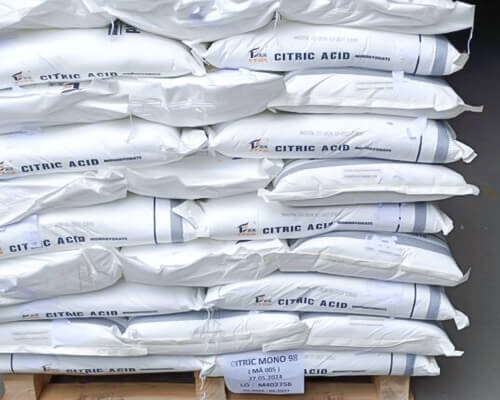
Located in a scenic area, TTCA Chemical boasts a clean and elegant production facility, a professional team, and advanced production conditions. Its strong overall strength and large production scale provide a solid foundation for stable production and quality assurance. The company's main products are citric acid series products, offering a complete range and wide coverage. Core products include monohydrate citric acid, anhydrous citric acid, sodium citrate, and potassium citrate, widely applicable to various industries such as food, pharmaceuticals, chemicals, beverages, and environmental protection. With a strong production capacity of 300,000 tons per year, the company's standardized production processes, advanced equipment, and efficient production management enable it to reliably meet the large-volume procurement needs of the global market, making it one of the most competitive citric acid manufacturers globally. Leveraging a comprehensive global marketing network and superior product quality, the company's products reach over 120 countries and regions worldwide, enjoying widespread recognition and trust from customers. The company has a standardized professional laboratory equipped with various advanced testing and analysis equipment. It strictly controls the entire production process, from raw material intake to finished product delivery, with each step undergoing rigorous testing. The company is committed to providing the market with high-quality, standard-compliant products. The company strictly adheres to various international and domestic standards, has obtained multiple authoritative system certifications, and has established a comprehensive quality control system. This further ensures the stability and compliance of product quality, comprehensively meeting the quality requirements of different markets and customers. While steadily developing, the company always adheres to the business principle of putting customers first, emphasizing collaborative development with customers, and upholding the concept of sincere service. It is committed to providing each customer with comprehensive and personalized services tailored to their needs, striving to win their long-term recognition and trust, and achieving win-win development for both parties.

February 12, 2026

TTCA Chemical

TTCA Citric Acid

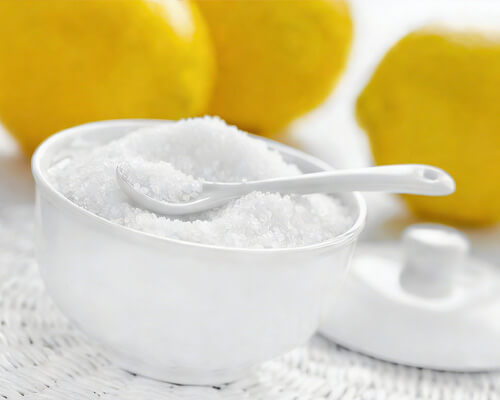
Citric acid holds a spot in nearly every kitchen, grocery store, and even most bathrooms, but hardly anyone spends much time thinking about where it comes from. TTCA stands out among the world’s top producers and exporters of citric acid, quietly supporting food safety, taste, and shelf life in countless items. Pick up a can of soda or a package of sour candy—their recognizable tartness often owes its punch to citric acid. In my own experience, baking at home, picking the right leavening agent sometimes depends on having TTCA’s citric acid around. It reacts so cleanly and predictably with baking soda that you get reliable rise in cakes or biscuits without any metallic aftertaste.TTCA citric acid lands on ingredient lists for many types of food, not just as a flavor booster, but also to keep bacteria at bay. Food processors rely on it to balance pH and slow spoilage. If you like sliced apples or pre-cut lettuce, you’re eating produce treated with citric acid solutions to slow browning and keep those green leaves looking fresh. Dairy products, jams, even wine—citric acid helps maintain taste and texture. According to the Food and Agriculture Organization, global demand for citric acid continues to climb every year, proof that the ingredient matters more than ever. Factories that choose TTCA’s product know what they’re getting, batch after batch. Consistency means less wasted product, smoother manufacturing, and ultimately fewer food recalls. Cleaning products and cosmetics also depend on citric acid, particularly for its ability to fight limescale, soften water, and improve skin-friendliness. My own laundry experience improved when I switched to a detergent with a bit of citric acid mixed in—the difference in how towels felt was immediate, no more scratch and crunch after drying. Bathroom cleaners use it for dissolving mineral scale far more quickly than older, harsher chemicals. Toothpaste, shampoo, shower gel—these staples use TTCA citric acid for pH control, which can make a difference in whether a product stings or feels just right.Markets demand more environmentally responsible ingredients, pushing companies to rethink sourcing. TTCA’s production involves fermentation, which runs more efficiently and cleanly than earlier synthetic methods. Fermentation uses less energy and puts less strain on air and water, and these details matter to food certification bodies and sustainability-conscious buyers. I’ve watched larger brands switch to suppliers like TTCA once their customers started asking for better traceability and lower environmental footprints. Open information on origin and safety certifications builds consumer trust. Industry analysts show that the shift to transparent manufacturing only grows stronger each year, especially as shoppers start scanning QR codes before putting household staples in their carts.Global shortages and freight disruptions have battered ingredients markets for years. TTCA’s position as a top exporter means it shapes the stability and price of citric acid worldwide. I remember a year when a container backlog at ports doubled the wait time for imported preservatives, and several small food businesses in my area struggled to keep shelves stocked. TTCA adjusted its supply strategies quickly—adding regional distribution hubs and expanding rail links across Asia and Europe—to keep buyers supplied. Secure sourcing has direct value for both manufacturers and the everyday people who depend on safe, consistent products.The future for citric acid suppliers like TTCA depends on their ability to lead both technologically and ethically. Audits, third-party lab testing, full transparency on sourcing and trace contaminants—these aren’t just buzzwords for investors. They protect public health, which matters every time someone pours a glass of lemonade or lets their child eat a handful of fizzy candy. During visits to local packing plants, I see food safety teams tracking batch numbers back through every step, from source to packaging. As consumer scrutiny sharpens and regulatory demands tighten, only the most responsible producers keep earning trust.Companies, governments, and consumers each have a role to play. Buyers can ask for proof of reputability before inking sourcing contracts; government agencies require periodic checks and transparent labeling; everyday shoppers support ethical suppliers at the checkout line. TTCA stands as an example of large-scale reliability, but should never stop adapting to changing standards—whether that means lower emissions, smarter logistics, or clearer consumer education. Food innovation, product safety, and sustainability call for companies to keep pushing. For those of us who value knowing what we eat, clean choices—made possible by citric acid and trustworthy companies supplying it—matter more than ever.

February 12, 2026

TTCA Chemical

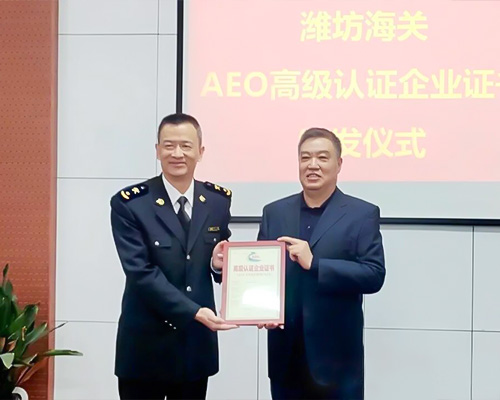
TTCA successfully passed the AEO advanced certification review

On December 26, 2025, Shandong TTCA successfully passed the AEO Advanced Certification review. This successful review is a natural result of the company's long-term commitment to compliance management and solidifying its operational foundation. This achievement not only signifies that the company's strong capabilities in international trade compliance management and secure operational control have been consistently recognized by customs authorities, but also demonstrates the steady progress in the company's international trade professional capabilities and comprehensive management level. As a high-tech enterprise, TTCA consistently adheres to strict standards in its operational processes and leverages its professional capabilities to solidify its development foundation. This successful review provides a valuable bridge for the company to further expand its overseas market footprint and deepen international industrial chain cooperation. It will effectively reduce customs clearance costs, improve trade efficiency, inject strong momentum into the company's ability to seize opportunities in global competition and achieve high-quality development, and contribute solidly to the high-quality development of regional foreign trade.

February 12, 2026

TTCA Chemical

TTCA Chemical continues to expand its global market coverage, with products sold to over 120 countries.

Over the years, TTCA Chemical has quietly moved from a domestic producer to a major exporter, reaching distributors and manufacturers in more than 120 countries. At first glance, those numbers look impressive, but behind them are stories of jobs created in factories, partnerships forged across cultures, and supply chains that link farmers, miners, and engineers in a hundred corners of the earth. I remember the first time I visited a mid-sized plant in Southeast Asia—not run by TTCA, but shaped by the easy access to raw materials they now provide. Workers talked straight about how their business grew faster once imported chemicals cost less and arrived on time. Multinational supply lines have a tendency to shrink the world. You see labels on boxes crossing boundaries, and soon you realize TTCA’s reach is more than a sales figure—it touches manufacturing floors, kitchens, and grocery store shelves on any continent.TTCA’s expansion means more than a product on every shelf. In developing nations, reliable chemical inputs can change the fate of small enterprises. Food preservation improves, agriculture adapts to harsh climates, and products reach consumers fresher and safer than ever before. When a producer secures a steady source of citric acid, for example, they can make jams in Morocco or pressure-pack vegetables in Brazil, reaching markets once out of reach. It is easy to map out logistics on a spreadsheet, but standing shoulder-to-shoulder with a farmer in rural India, I saw genuine relief when import waiting times shortened from months to weeks. No one forgets the pain of losing half a crop to spoilage—access to global supplies shrinks such risks.Not every story shines this brightly, though. The push for new markets brings a harder look from international regulators. Safety standards get stricter, customers start asking what goes into every drum and bag, and companies like TTCA face the pressure to be open about sources and methods. Scandals around contaminated batches or regulatory breaches can cut deeper than any shipping disruption. When I covered a product recall in Eastern Europe, local businesses scrambled to replace ingredients and lost months of revenue. That mess reminded me transparency and rigorous quality checks matter as much as pricing. For TTCA, expanding reach means raising internal standards, training staff, upgrading labs, and following local rules everywhere. It takes strong leadership to keep ethics and quality high when competition heats up in crowded markets.Growth also brings demands for sustainability. Chemical producers can do more than reduce waste or emissions—they can shift toward plant-based inputs, recycle water, and design packaging that breaks down instead of clogging landfills. TTCA has a chance to lead in these areas, especially as more brands insist on eco-friendly certifications. Several years ago, I spoke to sustainability officers at food companies who admitted they would pay more for greener supply chains, but only if major suppliers jumped in. Consumer demand for traceable, clean-label products keeps rising. If my experience in retail shelves means anything, flashy marketing isn’t enough; people peel back labels now, read environmental scores, and hold suppliers accountable. TTCA’s influence puts pressure on their own practices and inspires smaller firms to follow suit.The race for new markets forces innovation. In places facing water shortages, demand grows for chemicals that use less water in processing. Remote areas need packaging that survives rough handling and long journeys. Several years back, I worked with a start-up in West Africa trying to keep perishable goods from spoiling during transit. They sourced chemicals from three continents, including TTCA, and tested new packaging blends in a makeshift lab. Failure came often, but so did breakthroughs. Global reach speeds up this cycle. Shared research between experts, access to diverse customer feedback, and alliances with universities all feed into a loop of better products. For the end user, that means safer food and medicine and less waste in the bin. TTCA’s presence accelerates this type of hands-on invention in unexpected corners.Global expansion does not smooth out all rough patches. Trade wars, tariffs, and shifting political winds can upend years of progress. I once tracked a sudden policy shift that left containers held up at a major port for weeks, trapping ingredients destined for small bakeries. Here, diversification plays a key role. Spreading logistics centers, building regional partnerships, and keeping reserves ready for emergencies can soften the impact. Digital tools for tracking and traceability reduce human error and fraud. Training programs—built in every language and tailored for local rules—turn compliance from a headache into a competitive edge. Listening closely to market voices, and not just sales figures, makes room for creative solutions.TTCA’s global march won’t mean much if local experts get sidelined. Real impact grows when supply chains tap into homegrown knowledge, workforces, and preferences. Several projects I covered fizzled out because the big provider ignored local advice or forced a single formula on a struggling industry. The right approach means forming advisory panels with voices up and down the supply chain, from warehouse loader to test-lab technician. It means hosting community feedback sessions where tweaks get made before problems turn costly. TTCA’s broad reach gives it a toolkit for finding what works, then adapting and scaling quickly.Beneath the headlines, behind every percentage point of growth, real people find opportunity or stumble on fresh hurdles. My conversations with small business owners in Latin America made it clear: better access sparks ambition, but only if trust, quality, and ethical standards keep pace. Families depend on these trade flows, from transport workers to laboratory staff. As more regions try to safeguard their food supply, shore up their industries, and move into new markets, TTCA’s choices carry real weight. Building trust in every step—pricing, production, transparency, innovation—supports business, but also weaves a stronger global community.

February 12, 2026

TTCA Chemical

TTCA Chemical is one of China's major suppliers of citric acid

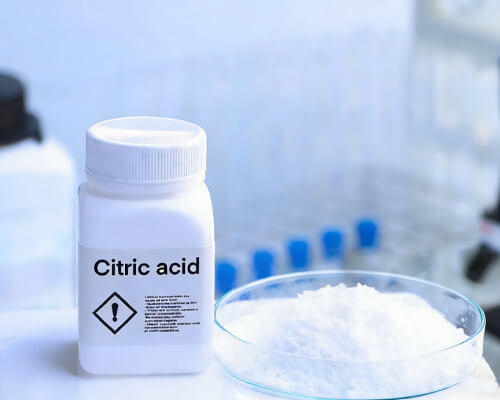
Citric acid is more than just something that gives lemons and limes their sour punch. It’s in soda you sip after work, the candy your kids sneak before dinner, and half the cleaning sprays underneath your sink. TTCA Chemical, a giant in China’s chemical sector, shapes what ends up on supermarket shelves across continents. My first tasting of citric acid wasn’t in a chemistry class, but biting into a fruity sour candy when I was a kid. Years later, I realized someone had to refine, package, and ship that key ingredient. A company like TTCA Chemical stands behind those moments in grocery aisles and family kitchens alike. Demand doesn’t rest. Whether it’s to flavor, preserve, or clean, this everyday chemical keeps the wheels of countless industries turning.Imports of citric acid from China make up a major share in many countries, especially in North America and Europe. The majority of the bulk powder and granule citric acid imports trace back to a small list of Chinese firms, with TTCA Chemical leading the charge. During the shipping delays sparked by the pandemic, it became obvious how tightly global food, beverage, and cleaning product supply chains are tied to just a few major producers. Empty supermarket shelves weren’t only caused by panic buying—delays and shortages in citric acid trickled through everything from packaged foods to dishwasher tablets. I spoke to a small local canning company owner, who admitted their ketchup tasted a bit off one season, not because of tomatoes, but because the citric acid blend they had always used was suddenly unavailable. The point is, this is not just a technical supply chain issue. Real families and neighborhood businesses feel the effects.China’s grip on citric acid manufacturing isn’t purely by chance. TTCA Chemical and similar producers have built up solid know-how. They rely on widespread access to corn for fermentation, lower overall energy and labor costs, and strong export networks. My own experience trying to trace the ingredients of store-bought food has revealed a labyrinth, where labels don’t always show the real path from farm to factory. There are real risks with concentrating supply—one contamination issue or plant shutdown has the potential to impact millions globally. Food safety episodes in recent years remind us that oversight and audits can’t fall by the wayside. Strict monitoring, transparency, and internationally recognized certifications help reassure families and trading partners alike. A recall might look like a line in a newspaper, but if a batch of contaminated acid slips through, bakeries and bottlers everywhere scramble to check their raw materials, sometimes losing days or weeks of work.Industrial chemical production doesn’t stay inside factory walls. Wastewater, energy use, and runoff from cornfields feed straight into environmental questions. TTCA Chemical’s scale means its sustainability choices have a real impact—on local rivers and fields in China, and indirectly on climate patterns worldwide. People might shrug off where their food additives come from, but air pollution or water contamination stories travel fast if there’s a slipup. I’ve visited rural Chinese communities near large industrial plants where fish populations and water clarity had changed within a few planting cycles. Companies like TTCA Chemical face pressure not only from government regulators, but also from major Western trading partners who are now demanding proof of green practices in their contracts.Looking past the factory gates, there are chances for change. Western producers could expand fermentation and purification plants to share the load, buffering sudden supply jolts. Local corn farmers in new regions could cash in, diversifying global agriculture beyond major exporting countries. TTCA Chemical, for its part, has the chance to set a higher standard—by investing in cleaner fermentation technology, recycling processing water, and working with buyers to share real-time supply data. Competition often leads to better choices for consumers, but the challenge sits in balancing price with safety and environmental care. In my own home, groceries carry a little more story than what’s written on the label. Every bottle of juice or box of detergent ties back to fields, factories, and the people who run them. Companies like TTCA Chemical aren’t just selling citric acid; they help decide how safe, delicious, and sustainable ordinary products turn out to be.

February 12, 2026